Learning Module:
Blood Pressure
Please review the following information on blood pressure and take the mandatory quiz at the bottom of the page. The quiz is only graded for completion.
What is Blood Pressure?
Blood pressure has two components:
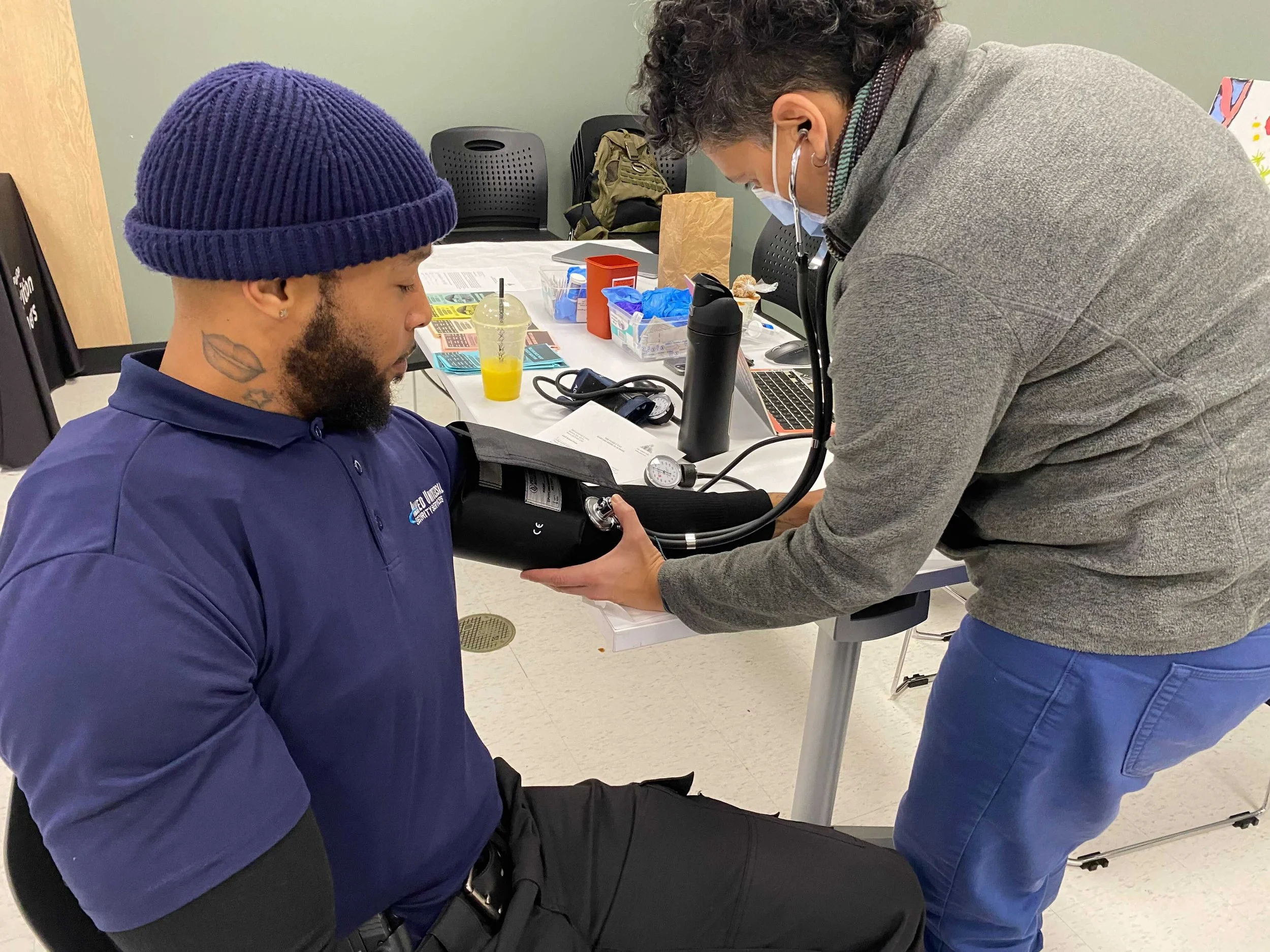
Systolic pressure is the top number. It represents the pressure the heart generates when it beats to pump blood to the rest of the body.
Diastolic pressure is the bottom number. It refers to the pressure in the blood vessels between heartbeats.
Blood pressure is measured in millimeters of mercury (mm HG). So blood pressure would be expressed, for example, as 120/80 mm Hg, but it is typically written as just 120/80.
Watch this short video
on blood pressure!
What is High Blood Pressure (Hypertension)?
High blood pressure (also known as hypertension) is a condition in which the force of your blood pushing against your artery walls is consistently too high.
So why do we care about high blood pressure?
High blood pressure is normally asymptomatic, but can silently damage many organs, including the brain, eyes, heart, kidneys, and arteries throughout the body. Left untreated, it can lead to heart attacks, stroke, and kidney disease.
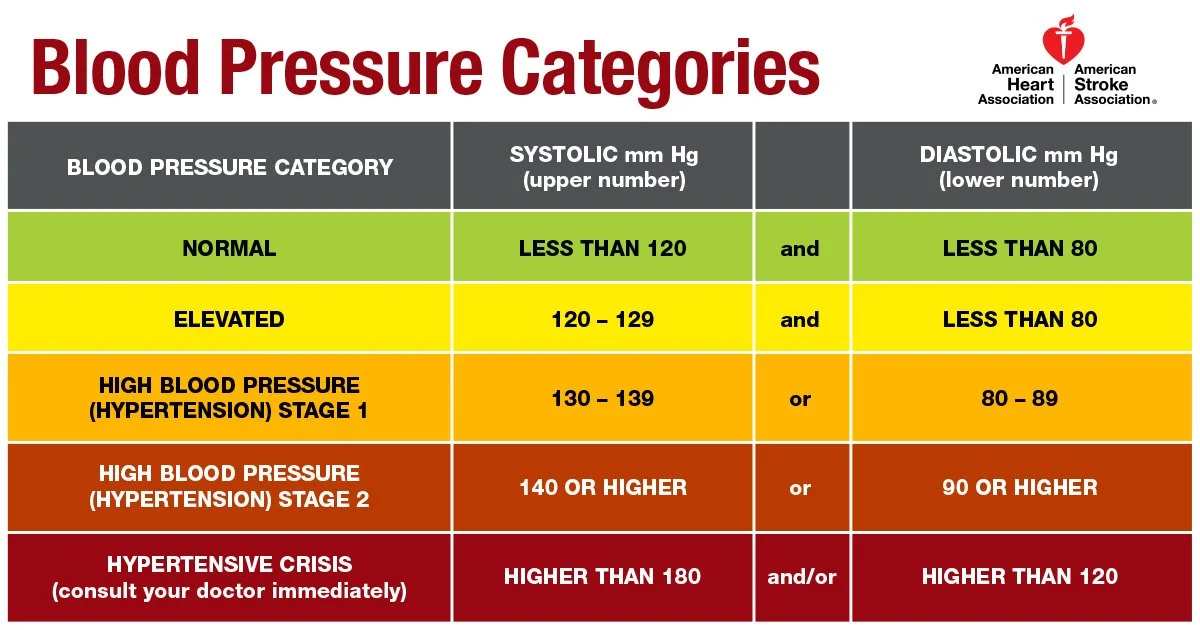
What are the Different Blood Pressure Categories?
Hypertensive Emergency on the Van
When a person’s systolic pressure is higher than (>) 180 or diastolic pressure is higher than (<) 120, they are at much higher risk of acute injury to organs such as the brain, heart, kidneys, and eyes. It is recommended that they are evaluated by a doctor as soon as possible, especially if their baseline pressure is lower.
If a client on the Van has a reading in this “Hypertensive Crisis” range, immediately notify a Community Health Worker (CHW) on the Van. Be sure to ask the client if they know their baseline blood pressure and how they are feeling. Symptoms of hypertensive emergency may include headache, dizziness, changes in vision, shortness of breath, chest pain, vomiting, and decreases in urine output.
How can clients lower blood pressure?
Eat a diet low in fat and rich in fruits, veggies, and low-fat dairy. The DASH (Dietary Approaches to Stop Hypertension) Diet is an evidence-based diet to reduce blood pressure and improve overall cardiovascular health.
Reduce salt intake. The best way to do this is to cook at home and control the amount of salt you add to your food by using other spices to add flavor to your meals. Much of our daily salt intake comes from pre-cooked or heavily processed foods, so it is best to avoid frozen meals or fried foods.
Exercise! At least 30 minutes per day of moderate exercise 5x/week.
Maintain a healthy weight.
Reduce alcohol intake.
Quit (or cut down on) smoking. Clients can speak to their Primary Care Providers (PCPs) about nicotine replacement therapy, such as gum or patches, to reduce cravings.
Take prescribed medications to control blood pressure. Common medications include:
Diuretics (aka “water pills”) - e.g., hydrochlorothiazide or furosemide (commonly known as Lasix)
Angiotensin-Converting Enzyme (ACE) Inhibitors - e.g., lisinopril
Calcium Channel Blockers - e.g., amlodipine
More Information on Blood Pressure:
Harvard Health Publishing - High Blood Pressure (Hypertension) A to Z
NIH National Heart, Lung, & Blood Institute - DASH Eating Plan
To read common patient questions about blood pressure and how to answer them in terms they can understand: Click here!
To read common patient questions about a low sodium diet and how to answer them in terms they can understand: Click here!
POST-MODULE QUIZ LINK: https://hms.az1.qualtrics.com/jfe/form/SV_6JcjBQPLL5zacN8
This is a mandatory quiz to be completed after reviewing the above information.
It is only graded for completion, so take the quiz for your own learning!